All Games
 |
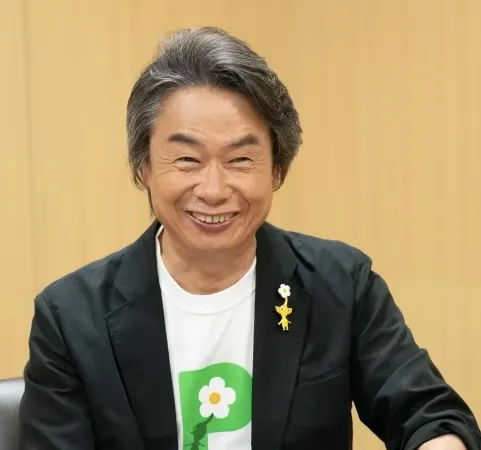
Shigeru MiyamotoDeveloper BIOShigeru Miyamoto was born in Sonebe, Japan on November 16, 1952. Miyamoto has a wife, Yasuko, who used to be General Manager of Nintendo of Japan back in 1977. They have two children together, although none of them seem interested in working at Nintendo. Although Miyamoto has developed a number of extremely popular videogame franchises and icons over the years, he usually doesn't play videogames in his free time, choosing instead to play the guitar and banjo and spend time with his family. When Miyamoto was young, he used to explore the woods around his home. One day, he was shocked to find an entrance to a cave. He came back again and again until one day, when he mustered up enough courage to go inside. Another time, he was exploring on the mountains, and he came upon a lake, which to him, as he later explained, looked like a "vast ocean." These experiences inspired Miyamoto later to create The Legend of Zelda, and as a result, they appear many times in the series. Miyamoto graduated from Kanazawa Munici College of Industrial Arts, and in 1977, he had his father contact an old friend of the family, Hiroshi Yamauchi. When Miyamoto initially met Yamauchi, he was told to return with toy ideas. He did just that, and Yamauchi was hired as a staff artist for Nintendo. Within the next few years, Miyamoto would design the outer look of Nintendo's Racing 112, Blockbuster, Color TV Game 6, and Color TV Game 15. He also drew the characters for Nintendo's Space Fever, Sheriff, and Space Firebird. He also did the actual arcade cabinet art for Sheriff and Radarscope. Around 1980, Minoru Arakawa, Yamauchi's son-in-law, created Nintendo of America (NoA) in New York in order to distribute Nintendo's arcade games. Sheriff and Space Fever didn't do amazingly, and when Nintendo of America spent oodles and oodles of cash on buying 3,000 units of Radarscope, which Arakawa believed would do amazingly in the U.S. He was wrong. NoA was able to sell 1,000 units, but they had 2,000 units with a game that wouldn't sell. With their cash running out, a game had to be put into these units that could generate some cash, and so Hiroshi Yamauchi asked Miyamoto to create the game, for he was the only one available. With the assistance of Gunpei Yokoi, Miyamoto conceptualized and developed Donkey Kong after Yokoi's own ideas involving a seesaw didn't work out and a Popeye license that Nintendo tried to snag fell through. Miyamoto created and drew the characters of the game, who were Jumpman, Lady, and of course, Donkey Kong. When NoA played the game, they were worried it wouldn't catch on with American audiences. However, it was the only game that they had, so they prepared it for its US release. "Lady" was renamed "Pauline" after Don James' (NoA's warehouse manager) wife, Polly James. Jumpman was renamed Mario, after NoA's landlord, Mario Segale, burst in demanding the rent NoA tested Donkey Kong out at two bars in Seattle. They checked on the unit the next day, and they found around $30 worth of quarters jammed into the coin box. This happened for a week straight. The retailers obviously asked for more units, and so the game technically went on sale in July 1981. By the end of June in 1982, 60,000 units of the game had been sold, making profits of around $180 million. Donkey Kong was one of the most innovative games of all time, introducing a complete narrative for the first time in videogames. Its characters spawned a number of sequels and franchises. The game is listed as #25 on the Killer List of Videogames' "Top 100 Videogames" list. In 1983, Nintendo released the Famicom in Japan, and brought it to the United States in the form of the NES in 1985. One of the flagship titles of the NES was another game designed by Miyamoto, called Super Mario Bros. It is said to be the best selling videogame of all time, although that is mostly contributed to the fact that it was packaged with the NES. Miyamoto went on to create many sequels to Super Mario Bros., including (but not limited to) Super Mario Bros. 3, which is credited as being the best selling standalone game in history, Super Mario World, which introduced the franchise to the Super Famicom/SNES, Super Mario 64, which is said to have revolutionized the 3D platformer, and is said by some to be the greatest game ever created, and now, Super Mario Galaxy, which is said to be the true sequel to Super Mario 64. In the meantime, Miyamoto also created another mega-selling, hugely popular franchise for Nintendo, which he called The Legend of Zelda. Premiering on the Famicom Disk System (and add-on to Japan's Famicom) and the NES, The Legend of Zelda was a very unique game for its time. Not only did it introduce different elements of non-linearity, but it also allowed you to save game information on the cartridge, which was revolutionary at the time. The game was extremely successful, selling 6.5 million units. Since the original, The Legend of Zelda has seen many sequels, including (but not limited to) Zelda II: The Adventure of Link, which was, to much controversy, radically different than the original, The Legend of Zelda: A Link to the Past, which returned to the style of the original and brought the series to the Super Famicom/SNES, The Legend of Zelda: Ocarina of Time, which is often hailed as the greatest game of all time, even over Super Mario 64, The Legend of Zelda: The Wind Waker, which used a controversial cel-shaded art style, and now, The Legend of Zelda: Twilight Princess, which is said by Reggie Fils-Aime (President of Nintendo of America as of July 2006) to be, "...by far, the best Zelda game we've ever made." Both the Zelda and Mario franchises have been amazing sellers, with Mario selling almost 275 million units and Zelda selling 47 million units as of 2005. But Miyamoto has not only been involved with Mario and Zelda over the years. He was involved in many other well-known franchises as well, including Star Fox, Pikmin, Nintendogs, F-Zero, Earthbound, Metroid Prime, and Animal Forest. Of particular notability is Nintendogs, whose concept was created based on Miyamoto's experiences with his own dog. The game has been released on the Nintendo DS in six different versions worldwide, and as Nintendo President Satoru Iwata announced on March 23, 2006, Nintendogs has sold 6 million units worldwide. In 1998, Miyamoto was the first person to be accepted into the Academy of Interactive Arts and Sciences' Hall of Fame. In March of 2005, Miyamoto was one of the first people to be honored with a star on the Walk of Game, San Francisco's equivalent of Hollywood's Walk of Fame. On March 13, 2006, Shigeru Miyamoto was knighted into the Ordre des Arts et des Lettres with fellow game developers Michel Ancel and Frédérick Raynal. As of 2006, Miyamoto is Director and General Manager of Nintendo Entertainment Analysis and Development along with long-time Nintendo veteran Takashi Tezuka, and it is the largest of Nintendo's divisions. Nintendo EAD develops the majority of Nintendo's games, including Mario, Zelda, and Pikmin titles. Websites - Bio of Shigeru Miyamoto -- Written by Eric Hysen on 4/28/04 and featured on Active Gaming
- Wikipedia -- Shigeru Miyamoto at the Wikipedia
- The Funny Faces of Shigeru Miyamoto -- A humorous site dedicated to funny expressions and noises that Mr. Miyamoto made during a speech at the 2003 Tokyo Game Show. The site also contains a few well-known quotes by Mr. Miyamoto.
- Meet Mario's Papa -- An interview conducted by Business Week where Miyamoto discusses videogames in general as well as the then called Revolution.
- IMDb -- Shigeru Miyamoto at IMDb
- Shigeru Miyamoto Shrine -- Tons of information about Miyamoto.
- Miyamoto Faces the Future -- Miyamoto talks to Edge Magazine about the future of the video game industry, the Wii, and Nintendo DS along with its Touch! Generations brand.
Games CreditedSuper Mario Galaxy 2 (2010), Nintendo of Europe GmbH The Legend of Zelda: Spirit Tracks (2009), Nintendo of America Inc. Mario & Luigi: Bowser's Inside Story (2009), Nintendo Co., Ltd. Mario vs. Donkey Kong: Minis March Again! (2009), Nintendo of America Inc. New Super Mario Bros. Wii (2009), Nintendo Co., Ltd. Punch-Out!! (2009), Nintendo of America Inc. Wii Sports Resort (2009), Nintendo Co., Ltd. Major League Baseball 2K8: Fantasy All-Stars (2008), 2K Sports Mario Kart Wii (2008), Nintendo Co., Ltd. Super Smash Bros.: Brawl (2008), Nintendo Co., Ltd. This is a Cry for Help (2008), DK: Jungle Climber (2007), Nintendo Co., Ltd. The Legend of Zelda: Phantom Hourglass (2007), Nintendo Co., Ltd. Mario Party 8 (2007), Nintendo of America Inc. Mario Party DS (2007), Nintendo Co., Ltd. Mario & Sonic at the Olympic Games (2007), SEGA of America, Inc. Mario Strikers Charged (2007), Nintendo of Europe GmbH Super Mario Galaxy (2007), Nintendo Co., Ltd. Super Paper Mario (2007), Nintendo of America Inc. Wii Fit (2007), Nintendo Co., Ltd. The Legend of Zelda: Twilight Princess (2006), Nintendo of America Inc. Mario vs. Donkey Kong 2: March of the Minis (2006), Nintendo of America Inc. New Super Mario Bros. (2006), Nintendo of America Inc. Odama (2006), Nintendo of Europe GmbH Red Steel (2006), Ubisoft Entertainment SA Star Fox Command (2006), Nintendo Co., Ltd. Wii Play (2006), Nintendo Co., Ltd. Wii Sports (2006), Nintendo of America Inc. Chibi-Robo!: Plug into Adventure! (2005), Nintendo Co., Ltd. DK: King of Swing (2005), Nintendo of Europe GmbH Electroplankton (2005), Nintendo Co., Ltd. Geist (2005), Nintendo of America Inc. Mario Kart DS (2005), Nintendo of Europe GmbH Mario & Luigi: Partners in Time (2005), Nintendo of America Inc. Mario Party 7 (2005), Nintendo of America Inc. Mario Party Advance (2005), Nintendo Co., Ltd. Mario Tennis: Power Tour (2005), Nintendo Co., Ltd. Nintendogs (2005), Nintendo Co., Ltd. Star Fox Assault (2005), Nintendo of America Inc. Super Mario Strikers (2005), Nintendo of Europe GmbH Custom Robo (2004), Nintendo Co., Ltd. Donkey Kong: Jungle Beat (2004), Nintendo Co., Ltd. Kirby & The Amazing Mirror (2004), Nintendo Co., Ltd. The Legend of Zelda: Four Swords Adventures (2004), Nintendo Co., Ltd. The Legend of Zelda: The Minish Cap (2004), Nintendo Co., Ltd. Mario Golf: Advance Tour (2004), Nintendo Co., Ltd. Mario Party 6 (2004), Nintendo Co., Ltd. Mario Pinball Land (2004), Nintendo Co., Ltd. Mario Power Tennis (2004), Nintendo Co., Ltd. Mario vs. Donkey Kong (2004), Nintendo of America Inc. Metal Gear Solid: The Twin Snakes (2004), Konami Digital Entertainment, Inc. Paper Mario: The Thousand-Year Door (2004), Nintendo Co., Ltd. Pikmin 2 (2004), Nintendo Co., Ltd. Super Mario 64 DS (2004), Nintendo of America Inc. 1080° Avalanche (2003), Nintendo of Europe GmbH F-Zero GX (2003), Nintendo Co., Ltd. Giftpia (2003), Nintendo Co., Ltd. Hamtaro Rainbow Rescue (2003), Nintendo Co., Ltd. Kirby Air Ride (2003), Nintendo Co., Ltd. The Legend of Zelda (Collector's Edition) (2003), Nintendo of America Inc. Mario Golf: Toadstool Tour (2003), Nintendo of America Inc. Mario Kart: Double Dash (2003), Nintendo Co., Ltd. Mario & Luigi: Superstar Saga (2003), Nintendo of America Inc. Mario Party 5 (2003), Nintendo of America Inc. Mario Party-e (2003), Nintendo of America Inc. Pokémon Box: Ruby & Sapphire (2003), Pokémon Company, The Pokémon Channel (2003), Nintendo Co., Ltd. Pokémon Colosseum (2003), Pokémon Company, The Disney's Magical Mirror Starring Mickey Mouse (2002), Nintendo Co., Ltd. Disney's Magical Quest Starring Mickey & Minnie (2002), Nintendo Co., Ltd. Doshin the Giant (2002), Nintendo Co., Ltd. Eternal Darkness: Sanity's Requiem (2002), Nintendo of America Inc. Hamtaro: Ham Ham Heartbreak (2002), Nintendo Co., Ltd. The Legend of Zelda: Ocarina of Time / Master Quest (2002), Nintendo Co., Ltd. The Legend of Zelda: The Wind Waker (2002), Nintendo Co., Ltd. Mario Party 4 (2002), Nintendo of America Inc. Metroid Prime (2002), Nintendo of America Inc. Pro Rally (2002), Ubi Soft Entertainment Software Star Fox Adventures (2002), Nintendo of America Inc. Super Mario Sunshine (2002), Nintendo Co., Ltd. Hamtaro: Ham-Hams Unite! (2001), Nintendo Co., Ltd. The Legend of Zelda: Oracle of Ages (2001), Nintendo Co., Ltd. The Legend of Zelda: Oracle of Seasons (2001), Nintendo Co., Ltd. Luigi's Mansion (2001), Nintendo Co., Ltd. Mario Kart Super Circuit (2001), Nintendo Co., Ltd. Pikmin (2001), Nintendo Co., Ltd. Super Mario Advance (2001), Nintendo Co., Ltd. Super Mario World: Super Mario Advance 2 (2001), Nintendo Co., Ltd. Super Smash Bros.: Melee (2001), Nintendo Co., Ltd. Wave Race: Blue Storm (2001), Nintendo Co., Ltd. Excitebike 64 (2000), Nintendo of America Inc. Kirby 64: The Crystal Shards (2000), Nintendo Co., Ltd. Kirby Tilt 'n' Tumble (2000), Nintendo Co., Ltd. The Legend of Zelda: Majora's Mask (2000), Nintendo Co., Ltd. Mario Party 3 (2000), Nintendo Co., Ltd. Mario Tennis (2000), Nintendo Co., Ltd. Mario Tennis (2000), Nintendo Co., Ltd. Paper Mario (2000), Nintendo Co., Ltd. Pokémon Crystal (2000), Nintendo Co., Ltd. Pokémon Stadium 2 (2000), Nintendo Co., Ltd. Walt Disney's Alice in Wonderland (2000), Nintendo of America Inc. Donkey Kong 64 (1999), Nintendo of America Inc. Mario Golf (1999), Nintendo Co., Ltd. Mario Golf (1999), Nintendo Co., Ltd. Mario Party 2 (1999), Nintendo Co., Ltd. Pokémon Snap (1999), Nintendo Co., Ltd. Pokémon Stadium (1999), Nintendo Co., Ltd. Super Mario Bros. Deluxe (1999), Nintendo of America Inc. Super Smash Bros. (1999), Nintendo Co., Ltd. 1080° Snowboarding (1998), Nintendo Co., Ltd. Esoteria (1998), Kirin Entertainments Inc. F-Zero X (1998), Nintendo Co., Ltd. The Legend of Zelda: Link's Awakening DX (1998), Nintendo of America Inc. The Legend of Zelda: Ocarina of Time (1998), Nintendo Co., Ltd. Mario Party (1998), Nintendo Co., Ltd. Star Fox 64 (1997), Nintendo Co., Ltd. Yoshi's Story (1997), Nintendo Co., Ltd. Donkey Kong Country 3: Dixie Kong's Double Trouble! (1996), Nintendo of America Inc. Kirby Super Star (1996), Nintendo Co., Ltd. Mario Kart 64 (1996), Nintendo Co., Ltd. Mole Mania (1996), Nintendo Co., Ltd. Pilotwings 64 (1996), Playtronic Industrial Ltda. Pocket Monsters Midori (1996), Nintendo Co., Ltd. Pokémon Blue (1996), Nintendo Co., Ltd. Pokémon Red (1996), Nintendo Co., Ltd. Star Wars: Shadows of the Empire (1996), Nintendo Co., Ltd. Super Mario 64 (1996), Nintendo Co., Ltd. Super Mario RPG: Legend of the Seven Stars (1996), Nintendo of America Inc. Donkey Kong Country 2: Diddy's Kong Quest (1995), Nintendo Co., Ltd. Donkey Kong Land (1995), Nintendo of America Inc. Kirby's Block Ball (1995), Nintendo Co., Ltd. Kirby's Dream Land 2 (1995), Nintendo Co., Ltd. Mario no Super Picross (1995), Nintendo Co., Ltd. Super Mario World 2: Yoshi's Island (1995), Nintendo Co., Ltd. Donkey Kong (1994), Nintendo of America Inc. Donkey Kong Country (1994), Nintendo of Europe GmbH EarthBound (1994), Nintendo Co., Ltd. Kirby's Dream Course (1994), Nintendo Co., Ltd. Stunt Race FX (1994), Nintendo Co., Ltd. Kirby's Adventure (1993), Nintendo Co., Ltd. The Legend of Zelda: Link's Awakening (1993), Nintendo Co., Ltd. Star Fox (1993), Nintendo Co., Ltd. Super Mario Kart (1992), Nintendo Co., Ltd. Wave Race (1992), Nintendo of America Inc. The Legend of Zelda: A Link to the Past (1991), Nintendo Co., Ltd. F-Zero (1990), Nintendo Co., Ltd. Pilotwings (1990), Nintendo Co., Ltd. Super Mario World (1990), Nintendo Co., Ltd. Mother (1989), Nintendo Co., Ltd. Zelda II: The Adventure of Link (1987), Nintendo Co., Ltd. The Legend of Zelda (1986), Nintendo Co., Ltd. Super Mario Bros. (1985), Nintendo Co., Ltd.
|
|
|